
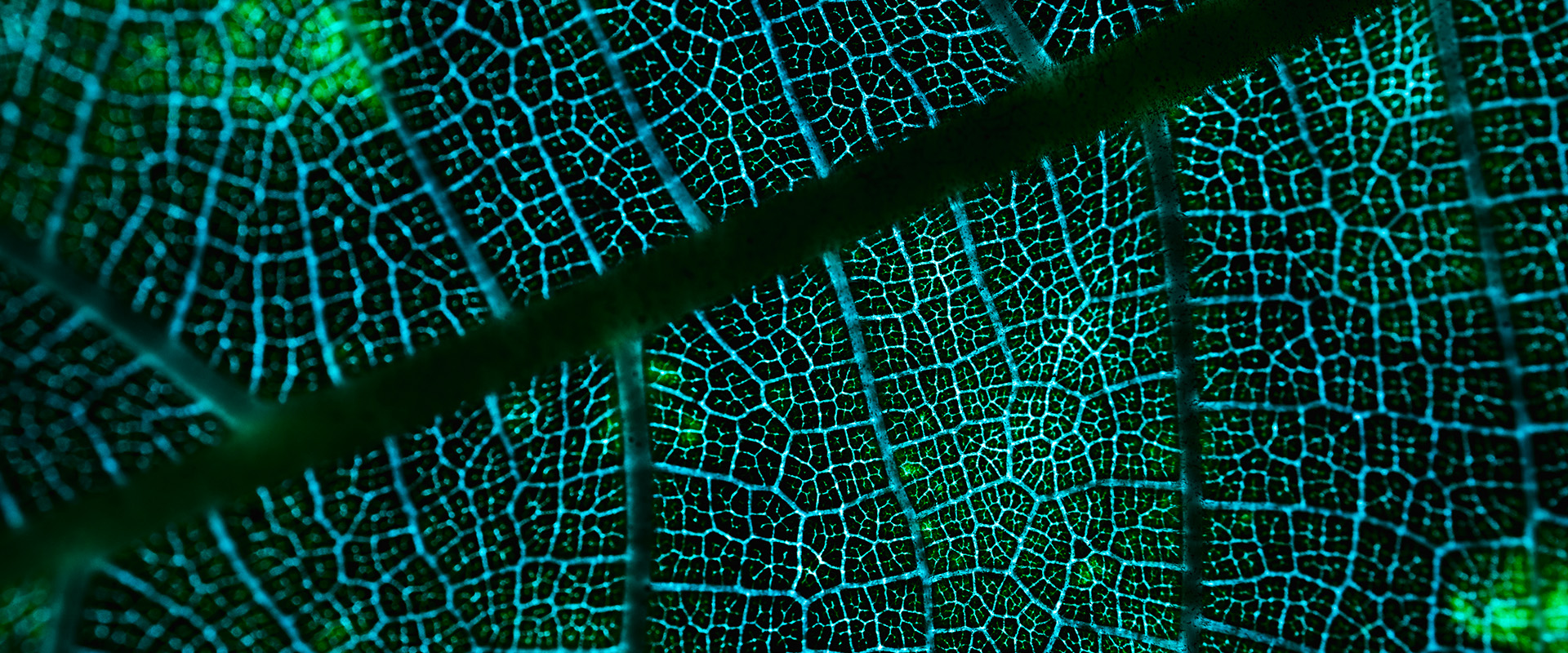
If you’re a property developer frustrated by the high costs and material waste of traditional construction, or an investor seeking innovative ways to future-proof your next project, you’re in the right place. Nature has been perfecting efficient, sustainable design for billions of years…and by studying its principles, we can dramatically reduce waste and material use in the built environment.
It might sound far-fetched, but nature is the ultimate engineer. After all, with a 3.8-billion-year head start in research and development, it’s no wonder history’s greatest innovators, from Leonardo da Vinci and the Wright Brothers to contemporary designer Neri Oxman have looked to nature for inspiration.
In this article we’ll take a look at three landmark projects that demonstrate how natural intelligence can lead to lighter, stronger, and more sustainable structures.
But first let’s get clear on what biomimicry really is, because it’s not just about being ‘inspired by nature’, as there are many terms at the moment such as biophilic, or biomorphism that get confused with biomimicry…
Drawing inspiration from nature is one thing, but to actually use nature’s problem solving genius is the crucial difference. Biomimicry is learning from and mimicking nature’s design systems developed through millions of years – the process of natural selection.
In essence, the bad designs have already been rejected.
The Gherkin and the Sea Sponge
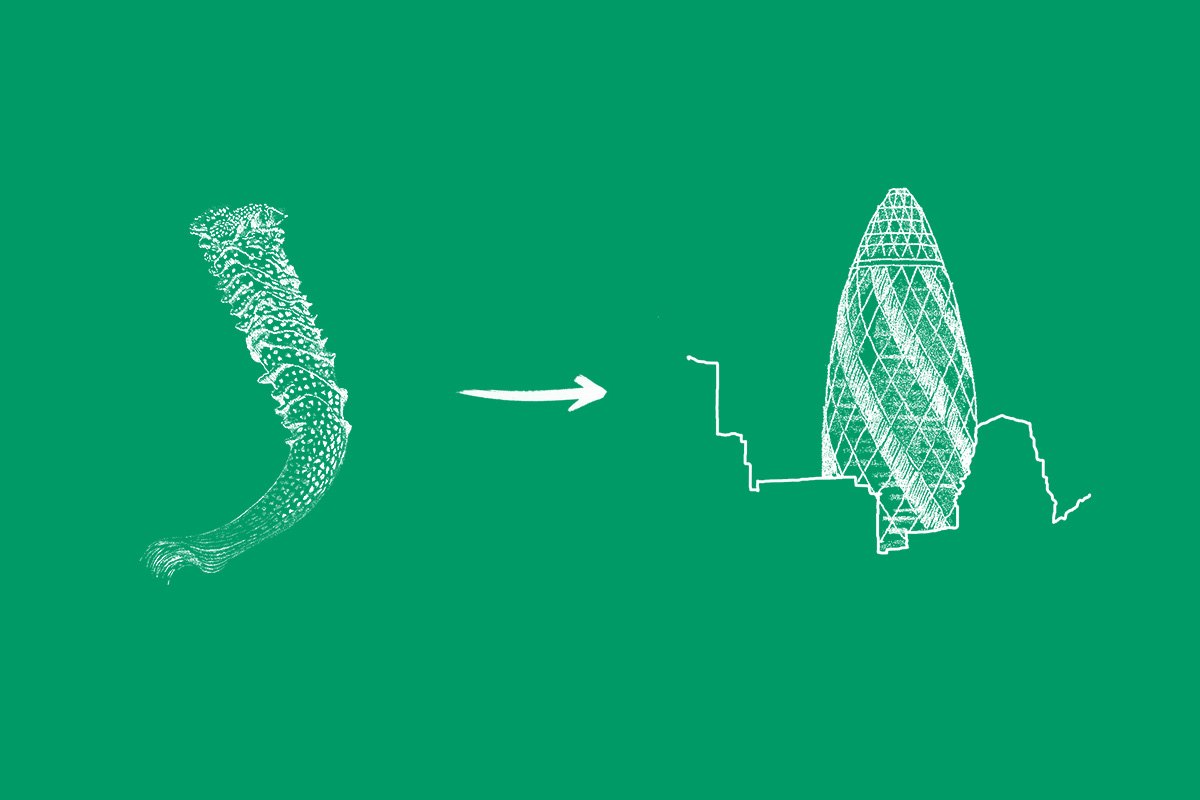
If you have ever been to London it’s hard to not notice the distinct pickle, one of London’s most iconic architectural skyscrapers. Designed by Sir Norman Foster by inspecting the Venus Flower Basket from the deep waters of the Pacific Ocean.
This design learned from the deep seas sponges’ fascinating skeletal structure, used to filter plankton and bacterial food – and can also provide shelter for crustaceans.
From an engineering perspective it’s fascinating how strong yet flexible the silica skeleton is in comparison to its weight. When taking a closer look at the Venus Flower Basket structure, you will notice a cross hatch structure that allows this creature to maintain structural integrity with the most minimal amount of material expense.
This natural engineering method and built in cross bracing is perfect for achieving a robust and lightweight structure. Foster and Partners took inspiration from this and designed a cross hatch type structure with diamond subdivisions and horizontal lines to separate the floors, resulting in a strong form with efficient use of material and construction.
The Eden Project and Soap Bubbles
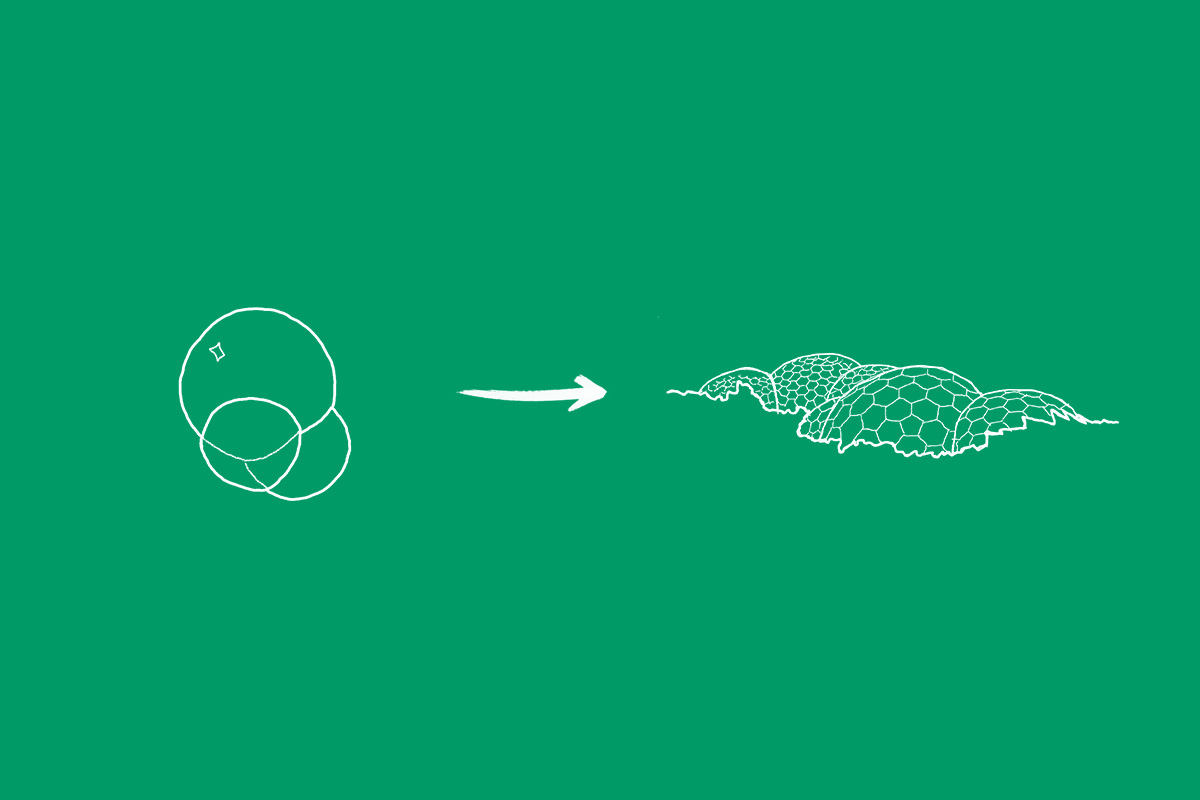
Another famous UK innovative project is the Eden Project, designed by Grimshaw Architects. Due to the site in Cornwall being previously a quarry, the uneven ground and varying clay deposits posed a difficult problem with unstable ground.
By taking inspiration from the nature of soap bubbles, by taking the bubble shapes and burying them into the ground, the designers where able to solve this issue. The shape of the bubble is supported by itself, as soap bubbles have a natural ability to keep their shapes as loads are transferred dynamically.
The designers also opted for plastic membranes of ETFE (ethylene tetrafluoroethylene) that were formed into inflated pillows by using hexagonal frames rather than using glass, to create a much lighter insulated structure, perfect for a greenhouse.
Moreover the use of the using biology and nature as a source of inspiration has allowed this design to be incredibly lightweight and cost efficient, whilst maintaining and improving functionality for the greenhouse purpose of the structure.
Tower of Light and Sea Shells
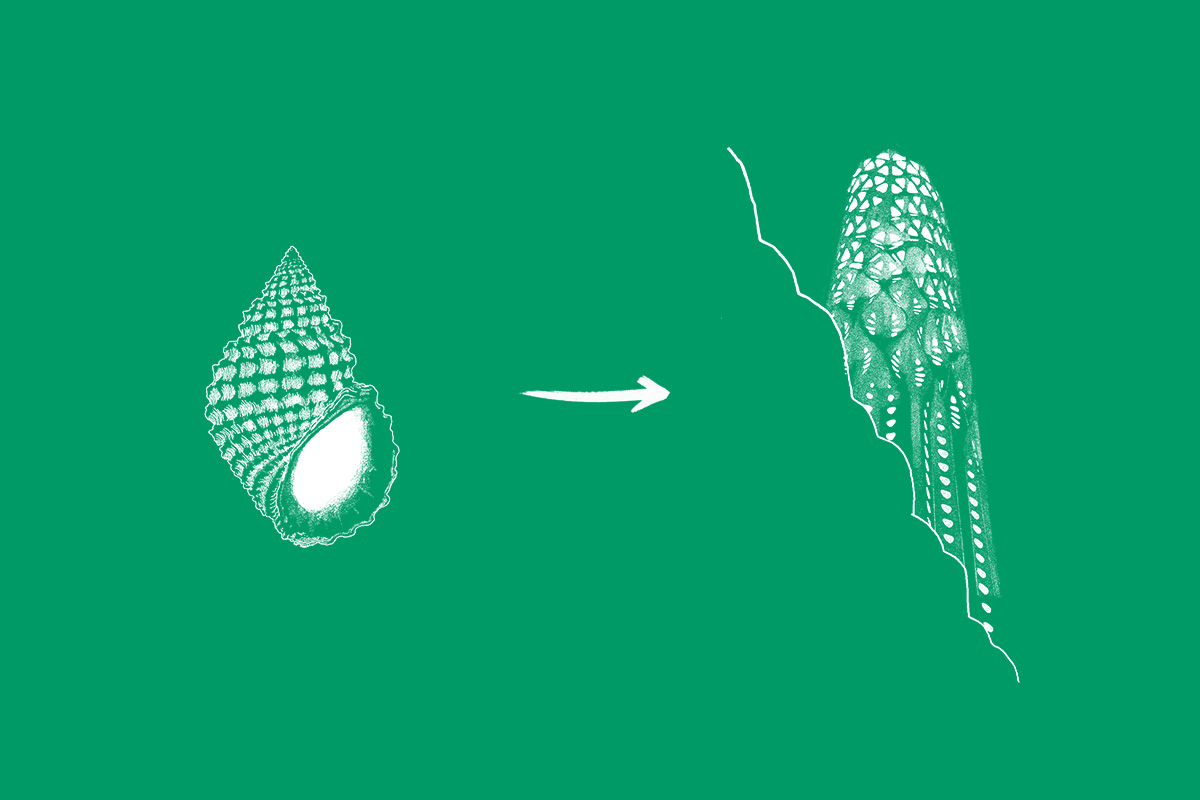
Manchester’s low carbon energy centres flue and façade takes the lime light here with its impressive lattice structure designed by Tonkin Liu and engineers Arup.
The building design takes shell lace structure as symbolic form for the general philosophy of the project. The lattice structure provides the strength a normal flue would provide but with less material needed, however the form is believed to be more of a statement than form following function. The form is almost neo-gothic in its intricacy, and shines as bright contrast to the typical red Manchester brick of its context.
Shell lattice structures create strong but light structures that would be near impossible to create without the use of 3D printing technology. However the advantages are a significantly reduced weight, less material and robust construction.
Designing the Future
Biomimicry isn’t just a design philosophy…it’s a smarter, more sustainable way of thinking that challenges the conventional limits of construction. By learning from nature’s 3.8 billion years of research and development, we can create buildings that are not only efficient and cost-effective, but also resilient, beautiful, and deeply connected to their environment.
At PHD Associates, we believe the future of architecture lies in collaboration with nature…not in competition with it. Whether you’re a property developer looking to reduce material costs, or an investor seeking to future-proof your portfolio with sustainable innovation, our team specialises in turning nature’s proven principles into practical, cutting-edge design solutions.
Let’s shape the next generation of architecture together. inspired by nature, built for the future.
Get in touch with us today to explore how biomimicry can transform your next project.
"*" indicates required fields


