
What do you call a house that is so efficient it can stay heated with just body heat? A Passivhaus.
In a world with rising energy bills, conventional homes and typical thermal specs can feel like a financial liability. Governments are slathering on thick legislation for environmental goals which means property developers need to get ahead of the curve to risk being penalized with long term running costs.
This means buyers are becoming increasingly more eco-conscious when looking at the property market, so if your residential property development is inefficient, you risk being outdated, unsellable and even irresponsible.
Learn how to become a cutting-edge property developer, who builds ultra-efficient homes that make you stand out in a competitive market. As Passivhaus is the standard trophy wife of quality and innovation. Why? Because you can promise clients a home that is without fear of fluctuating bills, a home that is always warm, quiet and filled with fresh air. This is the dream home.
What is a Passivhaus?
Passivhaus or Passive House is an international standard for designing and building ultra-low energy homes. The aim is downsizing your heating system by upgrading thermal efficiency.
It goes further than just a building that stays cool in the summer and warm in the winter. It’s a method of building that demands such little heat that even body heat, sunlight and heat coming from appliances like your computer can be enough to keep the home warm.
Moreover, a building can be heated and cooled whilst only using 10% of energy. This gives them a “factor 10 rating”, whereas typical new builds average only a 25% energy saving.
However, Passivhaus isn’t just about heating quality, but rather encompasses all areas of comfort within the home whilst addressing ecological concerns for sustainability. Fresh and stale air is exchanged, whilst using far less energy than your average home.
Let’s explore the Passivhaus method further by boiling this design philosophy down to 5 main principles:
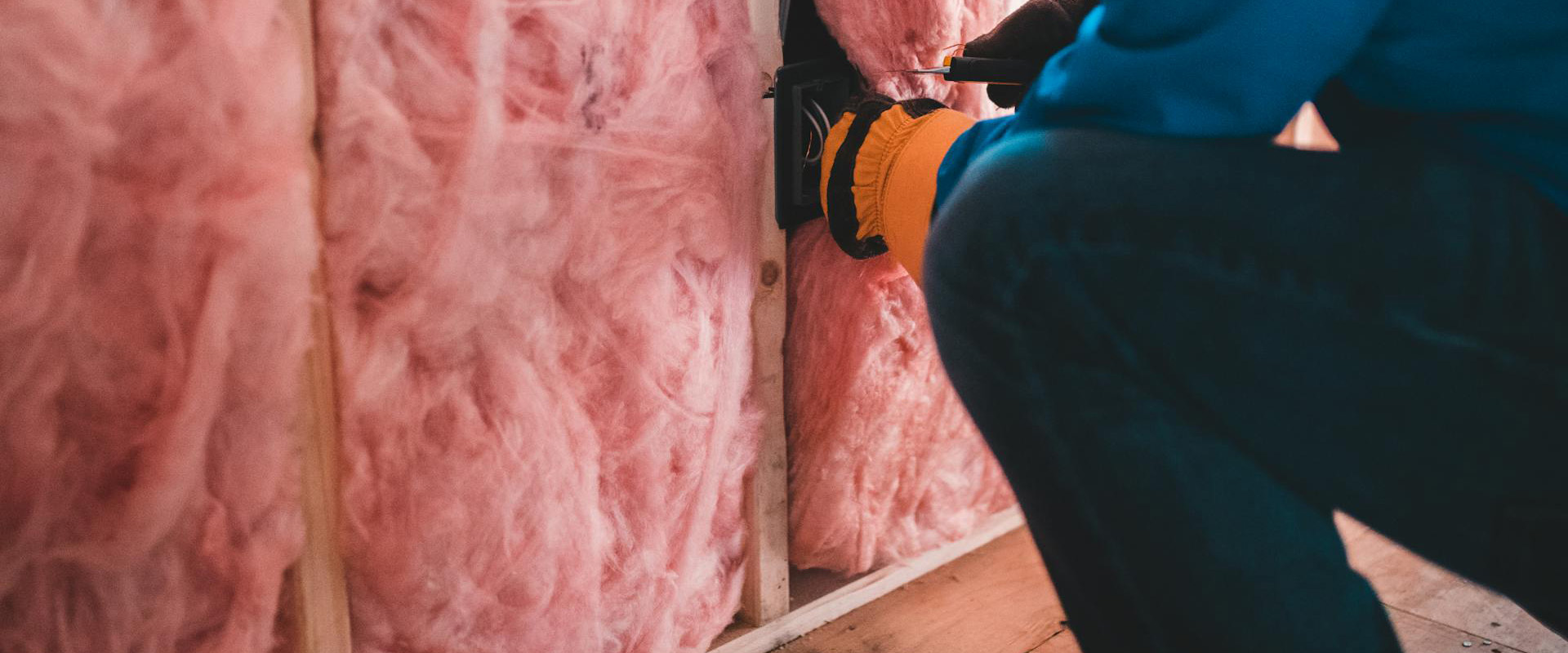
- Thick Thermal Insulation
- High-Performance Windows and Doors
- Airtight Construction
- Recover Heat and Moisture with Ventilation
- Eliminate Thermal Bridging
1 Thick Thermal Insulation
Key building elements such as external walls, ground floors and roofs to name a few must have a U-Value of 0.08-0.18 W/m2k or better. This usually means thick walls to increase the density of building fabric thereby reducing the thermal conductivity and passage of heat.
The U-Value does not need to equal 0, however getting as close as economically possible is the key here. However, it is not just the thermal insulation that keeps the building warm, it’s also thermal bridging and air tightness that allows this system to function.
Our bodies create heat through activity and movement which can be significant in heating homes when the thermal performance of the building fabric is superb. Mechanical ventilation heat recovery systems allow you to redistribute that heat to other areas of the house.
2 High-Performance Windows and Doors
Triple glazed argon filled windows and insulated doors are crucial to achieving a 0.80 W/(m²K) or less U-Value, as openings are very prone to heat loss.
Frame materials are also worth careful consideration, as materials like aluminium are very conductive poor choices. This is where composite systems can be used such as Timber-Aluminium or uPVC-Aluminium for excellent thermal performance and air tightness whilst keeping a sleek look.
3 Airtight Construction
Heating and cooling is transferred via air particles through a process of convection, this is why it is important to control the air within the building so we can ensure the heat is recirculated and recovered via mechanical systems.
Sealants, tapes, membranes and mono-lithic materials are common ways of achieving air tightness in buildings. This involves sealing all weak points such as windows, thresholds and junctions.
Moreover, Vapour check membranes internally prevent moisture from transferring into the building structure to cause interstitial condensation and breather membranes are to be installed externally to allow moisture to leave but not come in.
4 Recover Heat and Moisture with Ventilation
With Passivhaus buildings being so airtight there needs to be method filtering and circulating the air within the building. This is where Mechanical Ventilation Heat Recovery (MVHR) systems are excellent at extracting stale air and feeding fresh filtered air into the building whilst distributing heating and cooling evenly to make the most of the heat within the building.
The same is said for wet areas and odour from bathrooms which are taken care of through this system by balancing stale and fresh air. Air humidity with the home should be around 40-70%, as medically speaking humidity levels below 30% are considered unhealthy. Air movement within the home should not exceed 0.08m/s to ensure ideal flow of air between rooms, and to avoid draughts.
5 Eliminate Thermal Bridging
We spoke about convection earlier where heat can be transferred through air particles. However thermal bridging is a process of heat transfer through conduction. When there are materials with high conductivity or low thermal resistance like metal studs within the wall, this causes heating or cooling loss.
Critical areas would be around windows and door openings, threshold and wall/floor junctions. Also areas where there may be helping hands or metal brick ties that pierce through insulation cause a thermal bridge.
These thermal weak points are crucial to achieving a Passivhaus standard and can be solved in the design, detailing and specification process. An architect will be able to provide details of these critical junctions and analyse where there will be heat losses.
Is Passivhaus for you?
You may be thinking, “this all sounds expensive”—and you’d be right. Passivhaus standards require high-quality materials, skilled labour, and extensive insulation, which naturally adds up. For many projects, achieving full Passivhaus certification may not be realistic within today’s economy or for your specific build.
That said, adopting a Passivhaus-inspired approach can be highly beneficial. It provides a gold standard to aspire to, even if not every element is implemented.
At PHD Associates, we always keep the five core principles of Passivhaus in mind when designing. But more importantly, we tailor our services to your unique brief—ensuring your property development dreams are both achievable and inspiring.
With a proven track record of excellence since 1983, we’re here to guide you every step of the way. Get in touch today for your free initial consultation and discover how we can bring your vision to life.
"*" indicates required fields


