
7 Home Extension Permitted Development Ideas
House Extensions are a perfect way to maximize the potential of your property by increasing the floor area and opening new possibilities for space planning.
Maybe moving home isn’t what you want, and you are curious at what options are available to you? Or perhaps maybe you are on the fence about moving and want to know how difficult house extensions are to carry out? You have come to the right place!
In this article we will outline the various types of house extensions available to homeowners and discuss the benefits and drawbacks of each of them, plus some insight into the regulations and rules involved.
Let’s get stuck into our options for house extensions:
- Rear Extensions
- Front Extensions
- Side Extensions
- Wrap Around Extensions
- Over structure Extensions
- Dormer Loft Extensions
- Conservatories
What is permitted development?
They are your rights in the UK to allow you to carry out extensions without the need of applying for planning approval, under the condition that the guidelines are followed. If the guidelines do not suite your needs and wants as the client, then we can click here and we can provide you with consultation and a design service to apply and gain planning permission for your specific project.
- You can only extend or have other buildings up to half the area of the ‘original house’.
- You cannot extend above the existing roof or build eaves higher than the existing eaves.
- If the extension is within 2m of the boundary, then 3m is the max eaves height.
- You cannot extend forward of the ‘principal elevation’ or, where it fronts a highway.
- No verandas, balconies or raised platforms.
- No microwave antenna (e.g., TV aerial or satellite dish).
- No chimney, flue or soil vent pipe.
- No alterations to existing roof of house.
- On Article 2(3) designated land* no exterior cladding is permitted.
- Materials must be similar that of the existing house.
- Not a Grade II-listed building.
- Build up to a max height of 4m.
- Must not extend beyond the rear wall of the ‘original house’ by more than 3m for attached houses or by 4m for detached houses.
- Build up to 6m for attached (i.e terrace and semi-detached) houses and 8m for detached houses, provided that your property is not designated land or a Site of Special Scientific Interest.
- Build up to 3m for attached houses or 4m for detached house from the rear wall of the ‘original house.
Yes, most extensions require approval from your local Authority under Building Regulations. If you are curious to know how much this will cost and require consultation or drawings, click here.
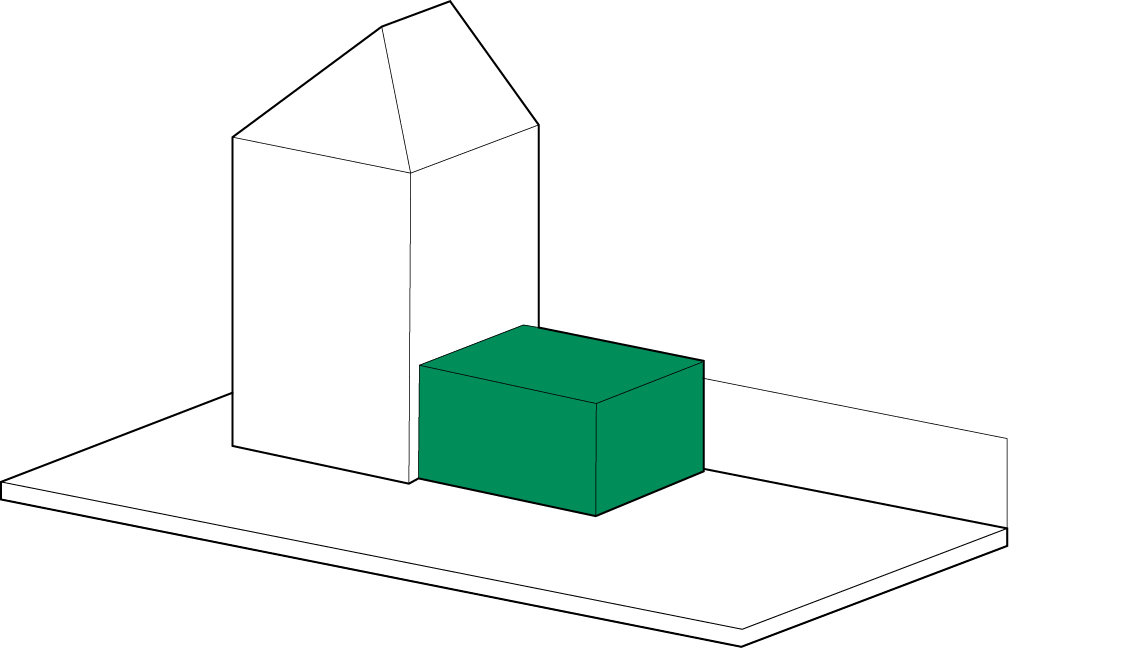
Rear Extensions
Extending out the back of your property often has the benefit on increasing the size of your kitchen and dining space. Say goodbye to a galley kitchen and hello to open plan spacing. This often makes the rear house extensions a common way to increase value to the property.
The benefits of this type of extension is that it is a cost effective way of raising the value of your property and creating more room at the back of the property to perhaps extend your kitchen, dining living spaces or perhaps an extra playroom or office. This is very popular option if you are needing more internal space rather than garden space.
With this type of extension, pitched roof or flat roof options become available to use to shelter the space, as well as the use of skylights, to brighten up and bring in light to make the space feel even more spacious and bright.
If your property is not on designated land, and all the guidelines are followed, then permitted development is very much possible. However, party issues may need to be handled with expert guidance, and issues with neighbours can occur which may result in the need for planning permission.
Two-storey and above extensions are a brilliant way to improve the market value of your property, whilst allowing for more bedroom and living spaces needed for a growing family or residence.
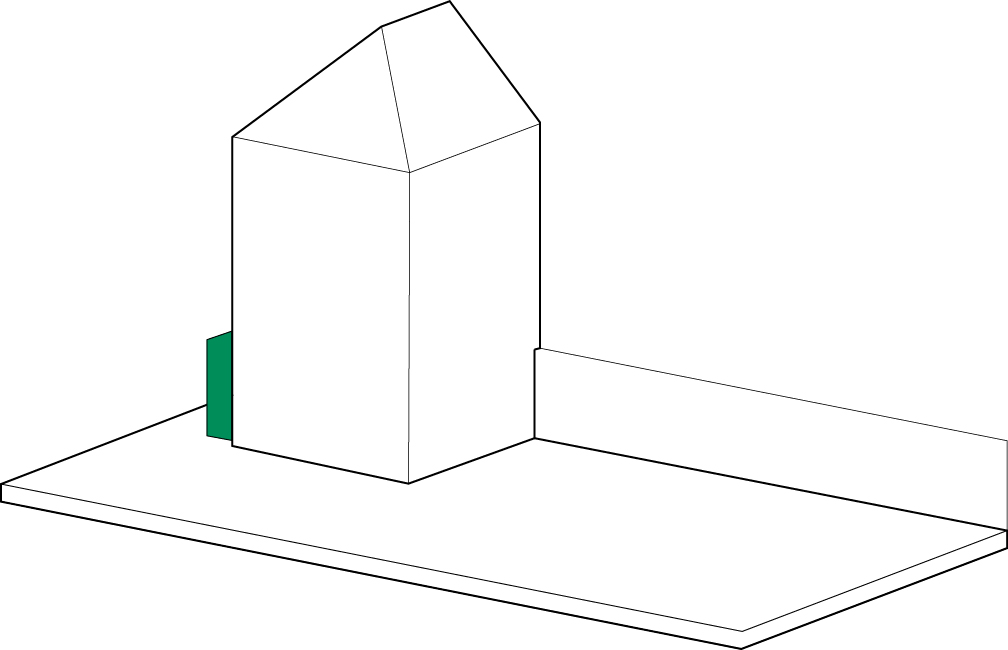
Front Extensions
The permitted development rights still apply for front extensions, however most front extensions will need planning as extensions cannot front a highway (a road carried out by the highway authority) or be on the principal elevation of the dwelling house.
A Porch on the other hand can be added a house or bungalow under the permitted development rights; however, flats and maisonettes do not have this right and will need to submit a planning application.
Porches can be a wonderful addition to usually the front of your house, as it can have several functional purposes. It’s a low cost way of adding more value to your property, allows for more space to store smelly shoes and can improve the security in a home. It also acts a lobby, which is great architectural solution to mitigate windy drafts.
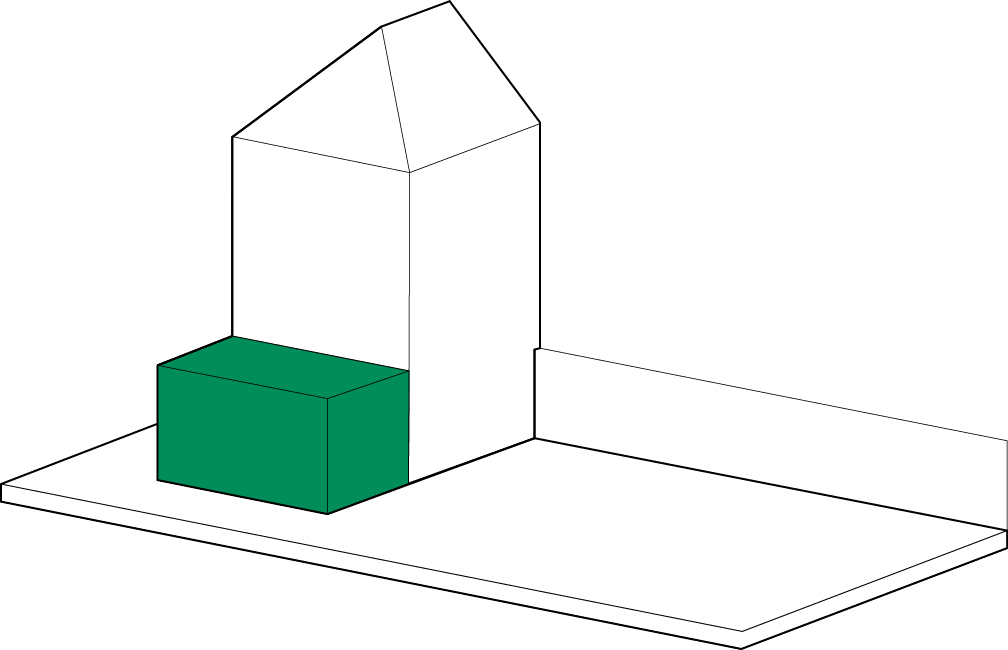
Side Extensions
Under permitted development, side extensions are to be single storey only, with a max height of 4m and a width no larger than half the ‘original house’ when you bought it. However, if you are seeking a side extension that is higher than the permitted 4m, then we can look at a planning application to propose this to your Local Authority.
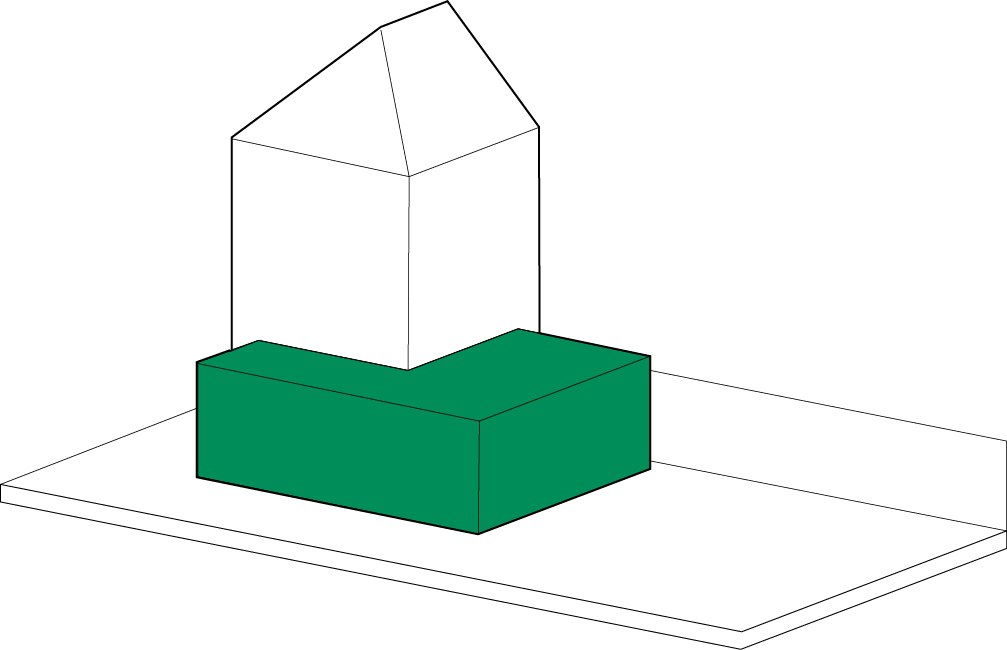
Wrap Around Extensions
If a rear or side extension on its own is not enough for your needs, you could look at the idea of having a wrap around extensions which is a combination of side and rear extensions in one build. It will increase the market value of your property, whilst giving much more space to extend you kitchen and dining/living areas which make a dramatic difference to how you experience the spaces.
This type of extension will need planning permission, because it is viewed individually under the permitted development rights. Therefore, wrap around extensions will always require a planning application for approval from your Local Authority.
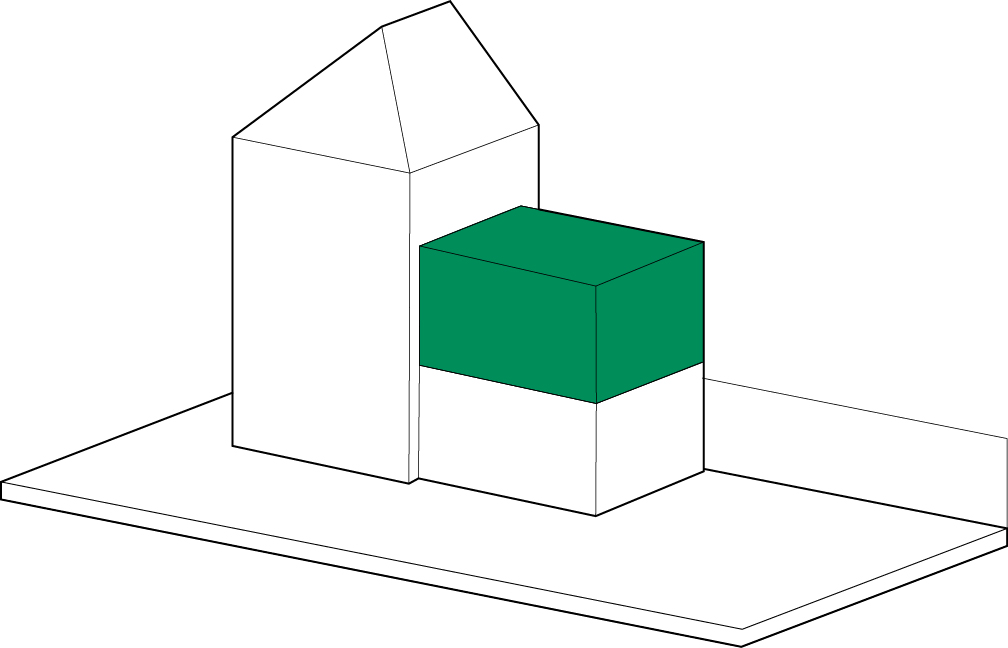
Over structure Extensions
Perhaps you are want to extend the upper floor but not the ground floor. This is quite common in the UK as many properties have an existing structure on the ground floor such as a garage or dining/living area, and it is a great idea to utilize that space above to give more space for bedroom, bathrooms or an office.
If all the guidance has been followed, then permitted development option is possible, however if your plans fall outside the permitted development rights then planning permission will need be approved.
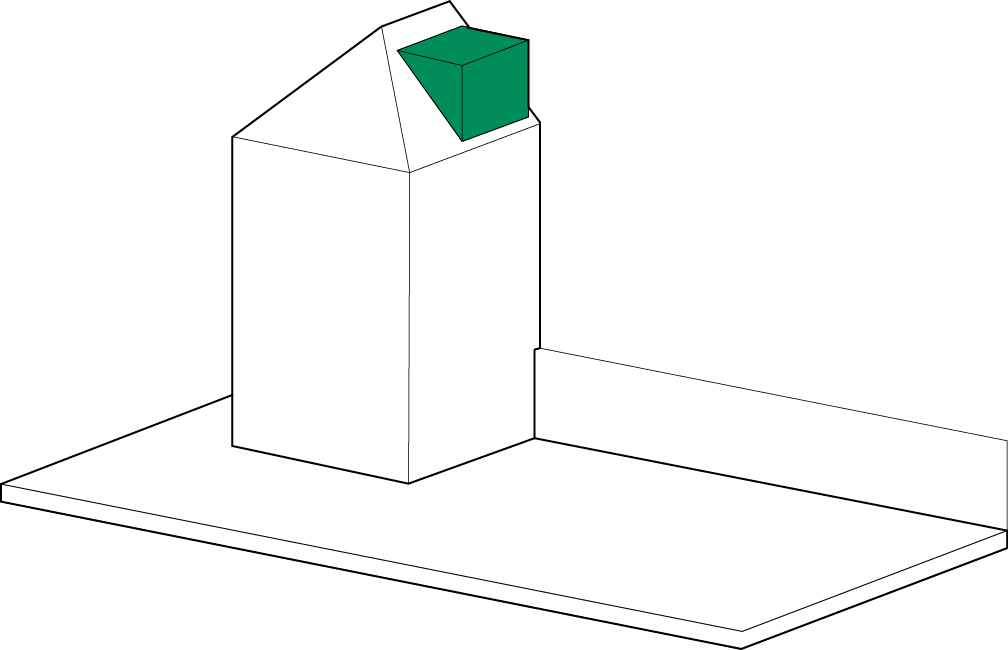
Dormer Loft Conversion/Extension
If you are thinking of utilizing the wasted space in your loft you can do so under permitted development rights providing that the guidance is followed. However, for loft conversions in a flat you will need planning permission, even where construction works may not be intended.
To do a loft conversion under permitted development, the rules are:
- Do not alter or extend the loft, however dormers are accepted.
- Do not add any additional roof space than 40m3 for terraced houses and 50m3 for detached and semi-detached houses.
- Any roof extension, apart from hip to gable, is set back as far as possible, at least 20cm from the original eaves.
- Any side-facing windows are to have obscured glazing.
- Any opening to be 1.7m above floor level.
If your property is a shop or office, then you will need to go through the planning process.
Conservatories
A single storey conservatory is a low-cost alternative to extending your property. It gives you the opportunity to create more space with a light frame and plenty of natural light, which creates an airy space. It still improves the value of your property and can be a focal point of the property with many roofing options to choose from. However it will have a natural temperature, so there you may fine it is cold in the winter and hot in the summer.
All the usual guidance for permitted development applies for conservatories, so planning is not necessary, and as a bonus, neither is Building Regulations approval.


