
Are you looking for tried and trusted ways of increasing the value of your property?
Here is the secret to an age old design and construction method that is guaranteed to help you meet planning biodiversity and sustainability goals whilst also improving sale value of the build.
Green roofs are not a new concept, in fact one of the oldest known green roofs recorded have been dated back to 500 BC in the Hanging Gardens of Babylon, however modern green roof technologies bloomed in the 1960s with Germany’s technological advancements in multilayered systems and reliable waterproofing layers. Since then the technological trend has caught on around the world, especially nowadays with the focus around biodiversity and eco-friendly builds.
Stay informed by learning about green roofs in this article, as this method of construction is well worth the upfront cost.
What are Green Roofs?
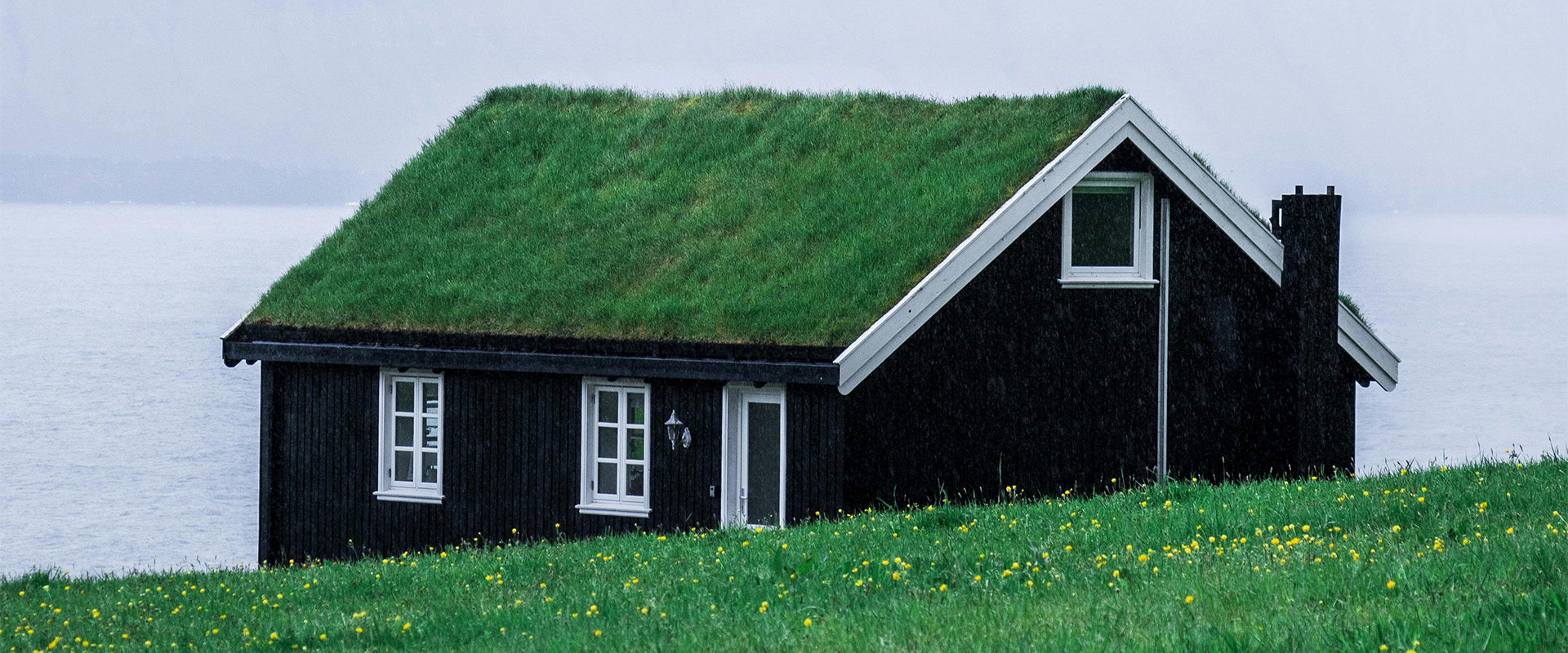
In a way green roofs are a form of Vernacular architecture in the sense that we can use our surroundings as material as means of insulating homes. The combined layers of plants and soil (sod) such as grass or sedums provide excellent insulation, whilst retaining ecological sustainability and helping improve biodiversity.
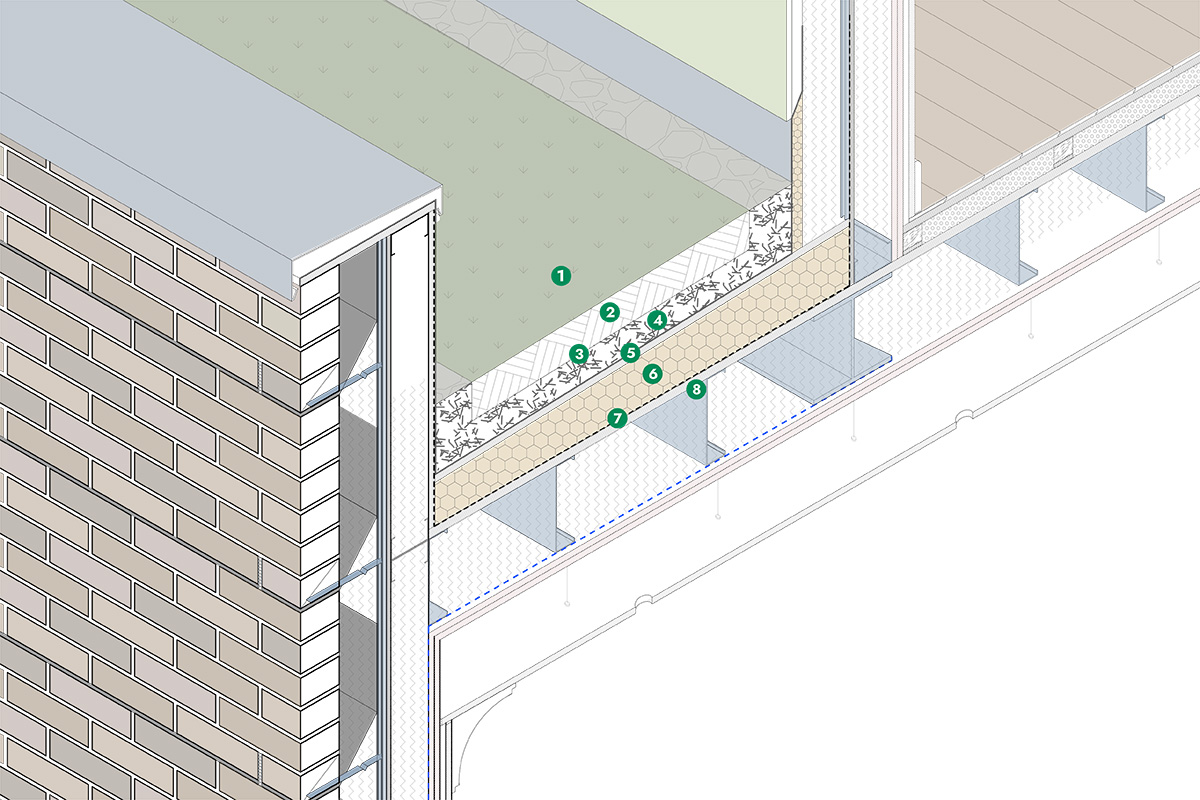
A typical green roof can be pitched or flat; and includes from top-down:
- Vegetation layer for plants
- Growing medium like a lightweight potting mix
- Filter Cloth or fleece to allow water in but prevent roots and growing medium
- Drainage layer or water retention system that could be linked to a built in reservoir
- Waterproofing membrane with root repellent and/or metal foil between membrane layers and joints to prevent root damage
- Rigid insulation
- Vapour control layer
- Structural Deck
There are two main types of green roofing systems typically used:
Extensive Green Roofs
Extensive green roofs allow for a 50-150mm deep growing medium, and are built up of a mixture of sand, gravel, peat, organic matter and some soil. They are typically used on larger residential projects as they provide a means of meeting sustainable standards whilst keeping capital costs low.
- Light weight
- Much cheaper to buy and install
- Limited biodiversity which keeps maintenance costs down.
- Pitch roofs are available in this option up to 30 degrees with textured roofing membranes
- Can become dry and unattractive in long hot summers as typically relies on rainfall
- Can also become dry and unattractive in winter
- Maintenance is needed to prevent a fire hazard
- Still a premium up front cost
Intensive Green Roofs
Intensive green roofs allow for a 200-600mm deep growing medium which is often based on soil (loam). The increased depth will allow for a much more biodiverse range of sedum, bushes and trees to be grown which has a much better environmental benefit.
- Better biodiversity
- Better insulated properties due to increased soil depth
- Creates a more extensive ecosystem
- Increases amenity value of building via access to building users
- Looks beautiful all year round with proper maintenance
- Much more expensive
- Greater in weight and will result in a more robust structure, typically using reinforced concrete decks
- Maintenance costs will be much more
- Limited to flat roofs only
- Fire hazards if neglected and plants become dry
The 8 Benefits of Green Roofs
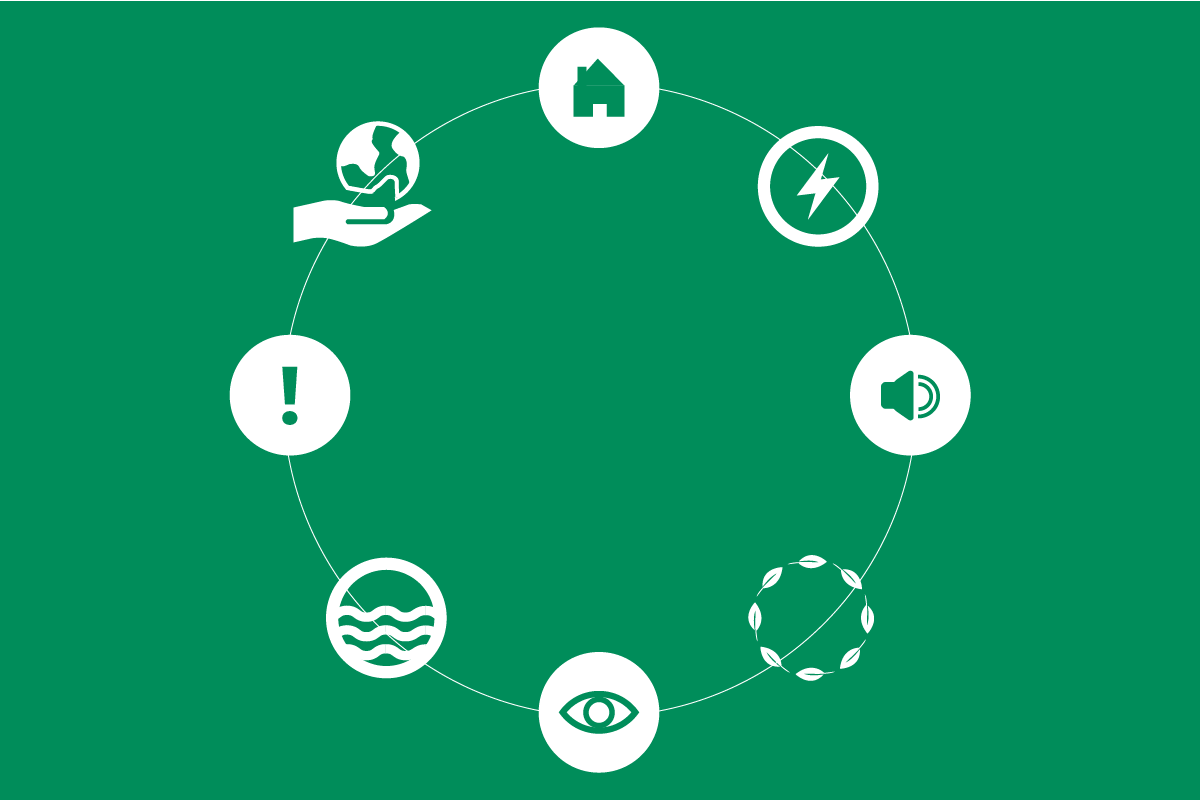
No matter if you have chosen an Intensive or Extensive green roof system for your next project, here we have outlined the benefits that are associated with choosing green roofs in general.
Green roofs provide shade from solar radiation, keeping homes cool in the summer and additionally the natural insulating properties of growing mediums allow the building to stay warm in the cool winters. This in turn allows for the reduction in net energy usage from year to year. Although green roofs don’t perform as well as insulation, according to the Scottish Green Roof Infrastructure Forum, energy savings have been shown to amount to 2.5kWh/m2/yr.
Low frequency waves are mitigated with the growing medium, and high frequencies are reduced from the top vegetation layer.
As we mentioned earlier, green roofs provide shelter from solar radiation and temperature fluctuations, which is often a key factor for the degradation of waterproof membranes that are typically applied to the top layer of roofs. This and chances of accidental damage from building users are much less likely when using a green roofing system instead.
Flood risks from storm water run-offs are reduced with green roofs which is especially good for high risk areas where there are periods of heavy rainfall. As mentioned water can be retained in water reservoirs and can be used for cleaning and maintaining the green roof.
Air quality from the vegetation layer provides opportunities to improve the environment by filtering harmful pollutants whilst also helping reduce the ‘urban heat island’ effect where hard reflective surfaces cause urban areas to radiate and in some cases overheat.
Habitats can be retained with green roofs where otherwise it would be lost, as this is a much more restorative solution to building construction.
As mentioned before, intensive systems especially are perfect terrace environments where the building users can cultivate a more social living environment. This also improves the perceived value of a property.
Last but not least, green roofs are gorgeous when well designed working landscape consultants and well-maintained after construction. They will provide users and the neighbouring parties of the area with more green space to appreciate, which has many psychological and urban philosophical benefits.
Need more advice on Green Roofs?
If you are thinking of using a green roofing system in your next project, get in touch and book a free initial consultation. We would love to talk with you about your project and see if we are the right fit for you as architects and designers.
"*" indicates required fields


