
Architect vs. Design-Build
Which Will Save You Time, Money, and Stress?
When you’re planning a new project, should you hire an architect or go with a design & build firm? The difference is significant.
With the traditional route, you hire an architect who takes charge of the design. You get access to their expertise in building codes, creative solutions, and detailed drawings — all of which set your project up for success.
With the design & build route, the contractor oversees everything. They handle both the design and the construction, taking on greater responsibility but also holding more control.
In this article, we’ll break down the pros and cons of both methods, explain when each makes the most sense, and help you decide which contract delivery system works best for your next property development.
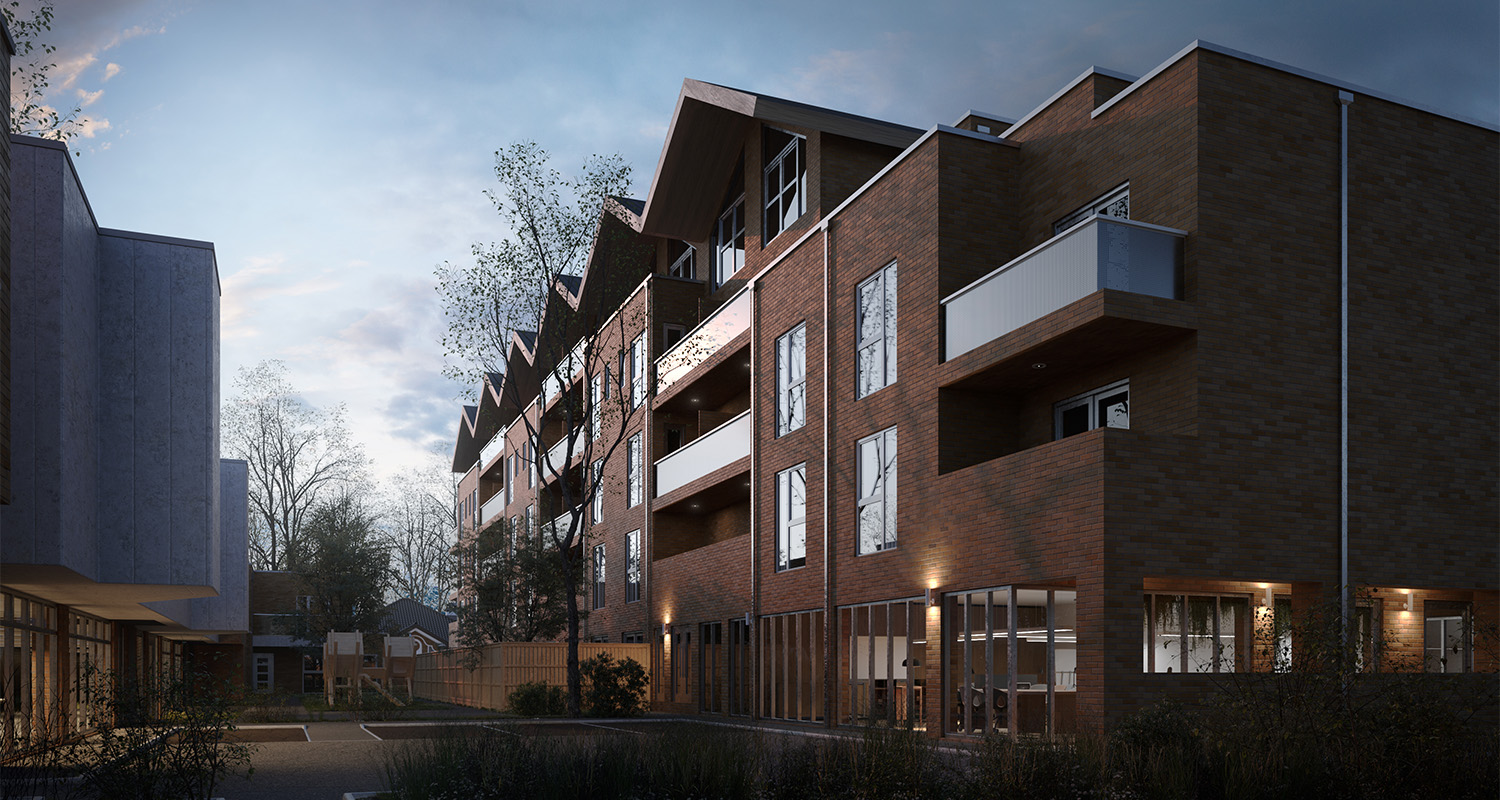
Design & Build Contracts
Firstly, in a design & build project, the main contractor becomes the single point of contact for everyone involved. They have control over the process and the authority to make changes without needing to consult an independent architect.
That said, the project still has to meet the same building regulations and legal requirements as any other approach.
One of the biggest advantages is cost predictability. Contractors can:
-
Provide early cost estimates
-
Work with materials and products they already know
-
Streamline decisions and keep the project moving
This can give developers and investors more certainty about the financial side of a build.
With more control comes more responsibility. A contractor must juggle:
-
Compliance with building regulations
-
Product codes and detailing
-
Construction logistics
-
Managing subcontractors
Balancing all of these at once can be overwhelming, which is why experience is critical in design & build projects.
To reduce risk, many contractors hire in-house architects or architectural designers. Even a small investment in design expertise pays off because:
-
Architects understand regulations and product codes
-
They bring design knowledge that enhances the final outcome
-
Their drawings and models help avoid costly mistakes on-site
Clients usually have less design control with design & build. The contractor takes on most of the decision-making, which can leave clients feeling less involved in the creative process.
That said, some clients — especially property investors — prefer this approach. It allows them to focus on finances and procurement while the contractor drives the project forward.
Design & build offers speed and cost certainty, but it also carries more risk for contractors. That’s why involving an architect, even within this delivery method, is still highly recommended.
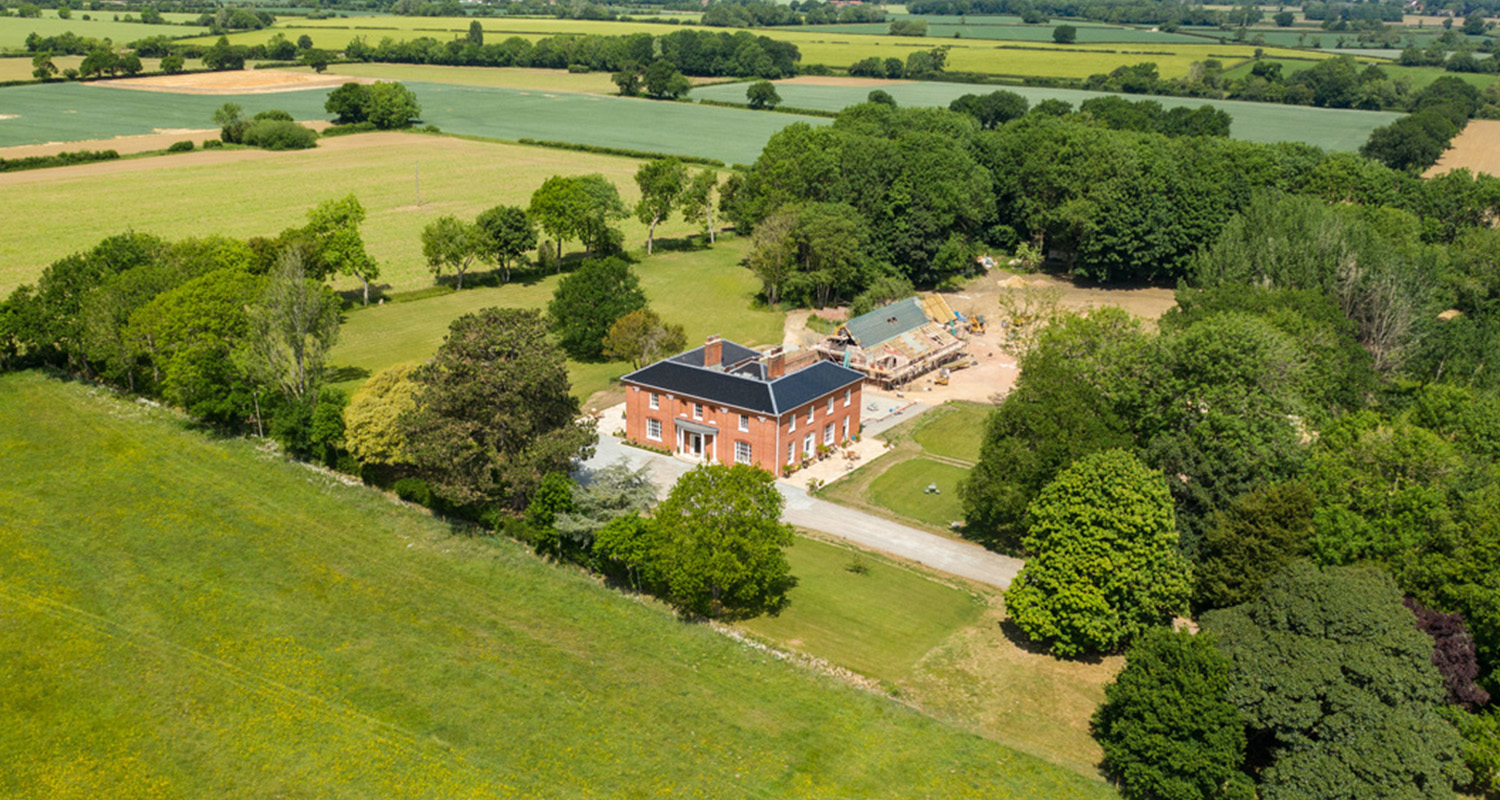
Hiring an Architect
In the traditional approach, responsibilities are clearly divided:
-
The architect handles the design.
-
The contractor handles the construction.
This separation allows each party to focus on their strengths while delivering a well-coordinated project.
Architects constantly research new materials, methods, and design approaches — from early concepts through to construction. Contractors can leverage this expertise to create higher-quality, more valuable properties.
Building codes, materials, and regulations are updated regularly. Architects stay current with these changes, which helps clients:
-
Secure the necessary certifications
-
Ensure compliance
-
Protect long-term property value
Today’s projects must also consider factors like:
-
Air permeability
-
Thermal performance
-
Sustainability
-
Material science
Architects are specifically trained to integrate these elements into design.
While hiring an architect may seem like an extra upfront cost, it often saves money in the long run. Why?
-
The tendering process is clearer.
-
Design development is resolved before construction begins.
-
Detailed, well-thought-out plans reduce on-site issues and costly mistakes.
This results in a smoother build and a stronger final product.
Another benefit of the traditional setup is the direct dialogue between client and architect. Clients can actively shape their project, while the architect advocates for their vision throughout the process.
Which Contract Is Right for You?
Choosing between a traditional contract and a design & build contract ultimately comes down to your priorities.
-
If you want one point of contact and a quicker, more standardized build, design & build may be the right fit.
-
If you prefer greater involvement in the design process, value bespoke solutions, and want tighter control over quality and compliance, the traditional route is likely the better choice.
That said, contracts don’t always have to be one or the other. In many cases, we can help you tailor a hybrid approach that blends elements of both, depending on your needs as a contractor, property investor, or client.
We’ve been designing projects since 1983, and our experience allows us to guide you toward the contract structure that will work best for your goals.
"*" indicates required fields


