
Appealing to a growing eco-conscious property market can be tough, especially if you are a sustainable minded property developer who has serious concerns about high upfront costs and risks around Building Regulations compliance within the UK.
Too often, the conversation around “green building” drifts toward materials like straw bales or cork. While interesting, these options can feel impractical for large-scale development, and the risks of price volatility, construction mistakes, or failed inspections make many developers hesitant to commit.
In this blog post we will be introducing sustainable building materials that actually work, not just trendy materials that do not meet the standard for compliance and feasibility…these are innovative and durable solutions that are new on the block, and have real potential to shape the future of eco-friendly building.
A sustainable building material is one that minimises environmental impact across its entire lifecycle — from extraction and production, through use, to disposal or reuse. In other words, it considers the entire journey from “cradle to grave” — or ideally “cradle to cradle” where materials are fully recycled or repurposed.
Crucially, a truly sustainable material must also perform well in real-world construction and meet the requirements of UK Building Regulations. It’s not enough to be eco-friendly in theory — it has to work in practice.
With that in mind, let’s explore some of the up-and-coming sustainable building materials that combine durability, functionality, and genuine eco-credentials.
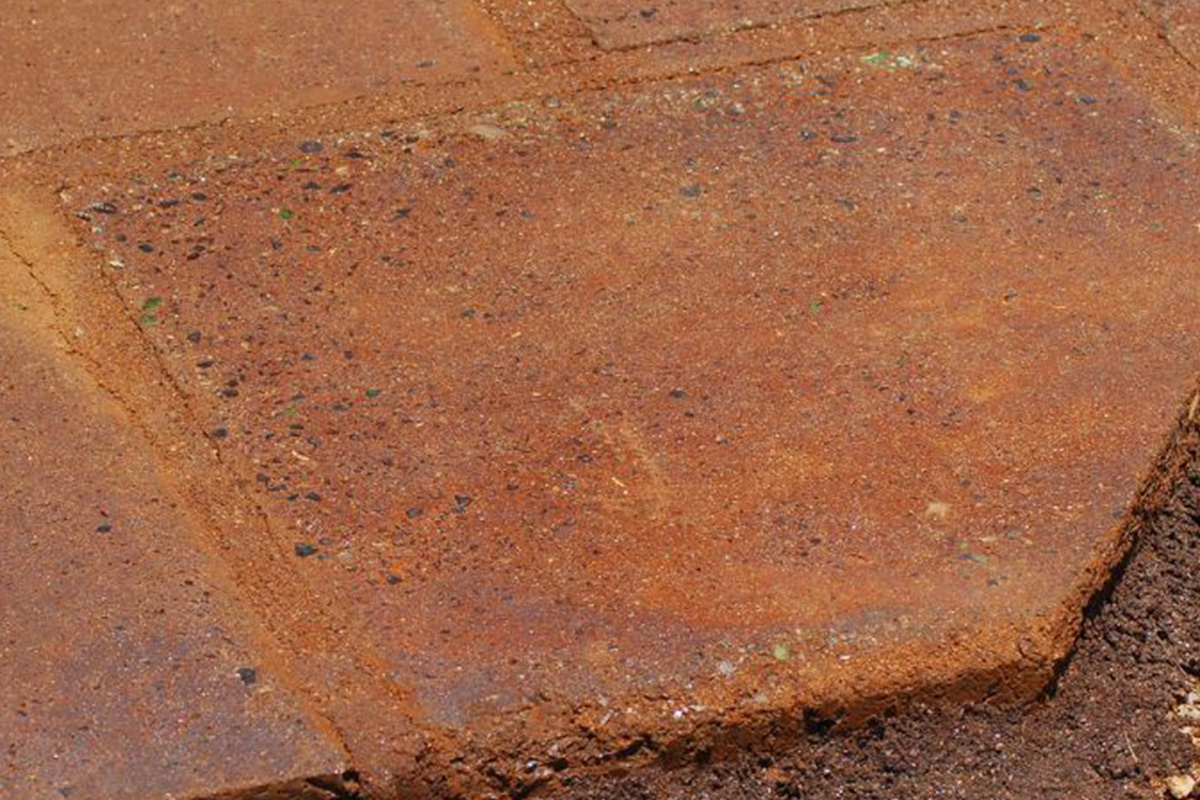
Ferrock
Ferrock is composed primarily of recycled steel dust and silica from ground glass to create a sustainable building material that has similar properties to concrete.
Through a unique process of carbonation, the steel dust in Ferrock reacts with carbon dioxide in the air to create iron carbonate. This reaction not only hardens the material but also locks away CO2, giving Ferrock the potential to be carbon-neutral at the very least.
Amazingly enough, not only is it eco-friendly, it also boasts an impressive strength, flexibility, and durability ratio against harsh environmental conditions, making it especially suited for earthquake-prone areas, coastal projects, and other challenging construction settings.
K-Briq
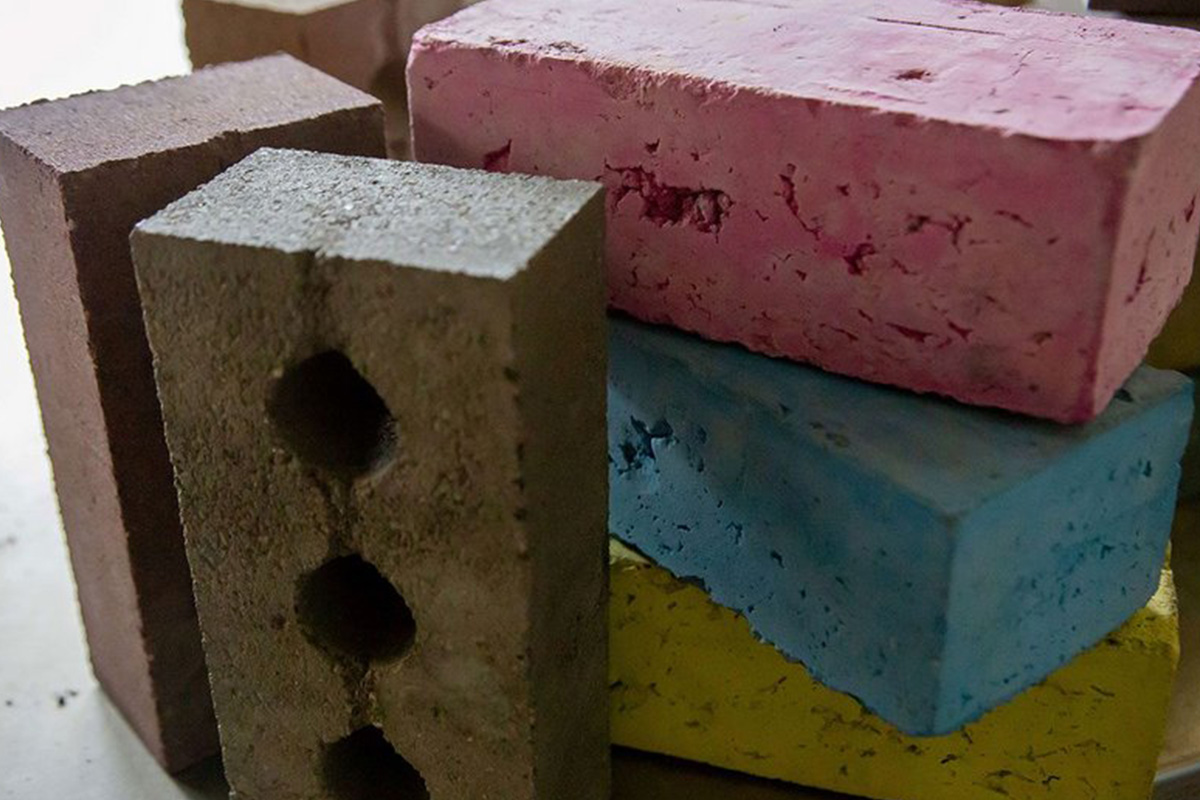
K-Briq is a highly recycled product made from 100% construction and demolition waste with a mix of old bricks, mortar, stone and mortars along with gypsum based waste products like plasterboard. The product is also visually striking as it is mixed with recycled pigments which gives them a unique look.
Interestingly enough it’s not produced from a kiln, but instead with a binder and subjected to a low-energy hydraulic press to create the brick form. This makes this produce extremely carbon friendly, as there is no firing of a kiln. There appears to be impressive compressive strengths of 29 to 30.4 N/mm² also making K-Briq a worthy alternative to traditional kiln fired bricks.
Crucially, in 2025 K-briq was granted certification by the BBA (British Board of Agrément) for exterior use on projects in the UK, we can safely say that K-Briq is the new sustainable building material on the block.
Not only that, the price of K-Briq is also very competitive as these bricks are not too different from conventional bricks. This is mainly due to the recycled nature and lower manufacturing impact of this product.
Fibre Cement
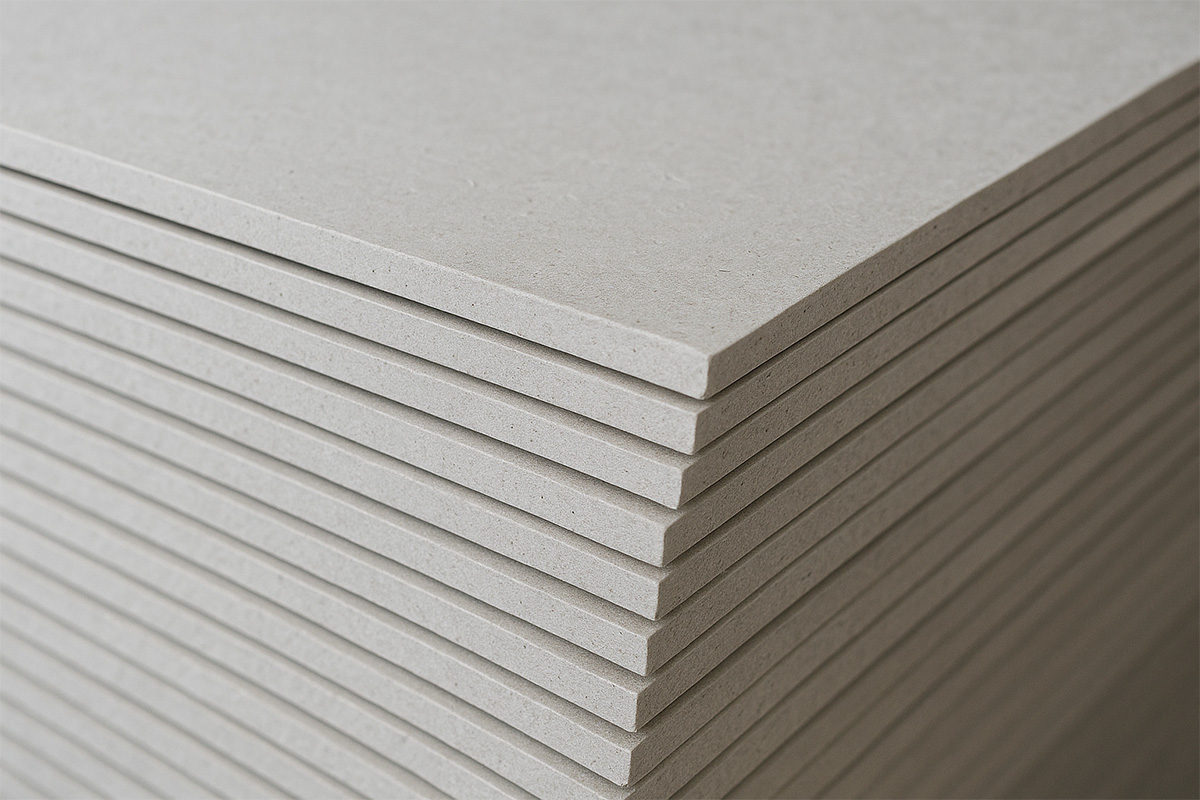
This familiar material is made from a mix of 1 part Portland cement to 2 parts sand by weight, combined with 5–7% recycled cellulose fibre and recycled water. The result is typically formed into boards, making it an ideal solution for exterior and interior cladding, roofing, and tiling.
With its reinforced fibre content, fibre cement offers long lifespan, dimensional stability, and excellent fire resistance. It doesn’t shrink or warp under temperature changes, and its use of sustainable ingredients such as wood fibres and reduced water requirements make it a practical, eco-conscious choice.
That said, the inclusion of cement does carry an environmental impact, and recycling options at end-of-life remain limited. However, manufacturers such as EQUITONE have achieved Cradle to Cradle Bronze certification, addressing some of these concerns and showing progress toward circular use of this material.
Composite Board
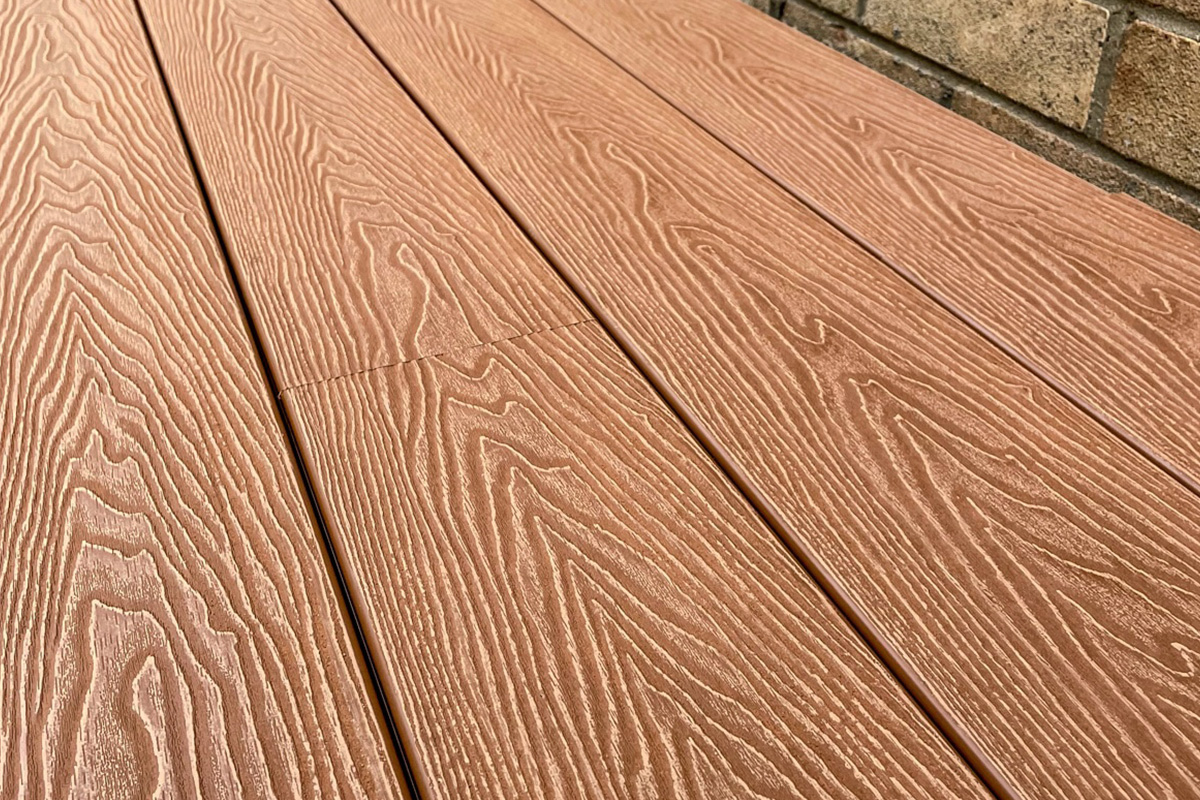
Many composite boards are made from recycled wood fibres and plastics, which makes it a strong choice for clients who want the aesthetic of wood, but the durability and long lifespan of plastic. Its superior resistance to rot and moisture means less frequent replacements and minimal maintenance.
The brilliance of composite boards is that they can be recycled again into composite boards, creating a closed loop of cradle-to-cradle manufacturing process. However, this depends on the condition of the boards themselves.
Geopolymer Concrete
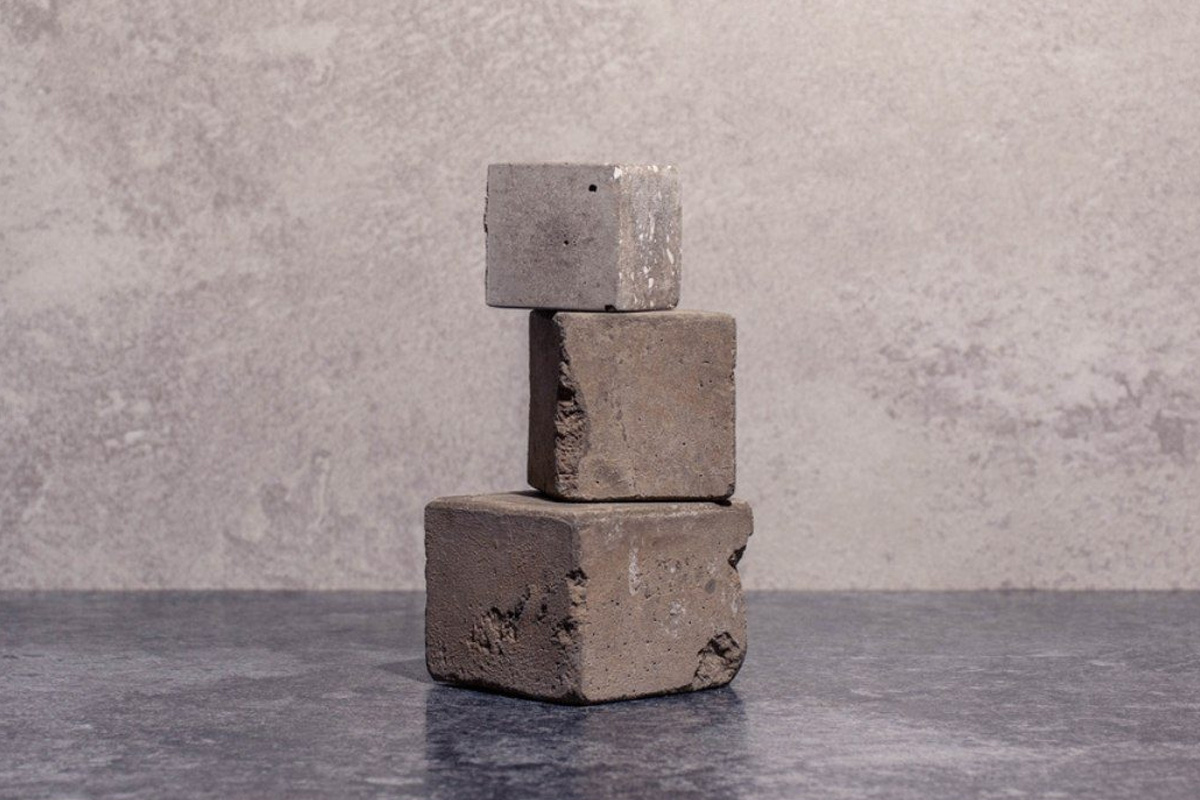
A non-concrete alternative replaces the need for Portland cement by using industrial waste material such as slag and fly ash instead, creating a low emissions product that is highly durable and better at handling corrosive substances than traditional concrete.
Perfect for high rise buildings for its fire resistant qualities, this sustainable material is also suitable for foundations, ground stabilisation applications and a wide range of builds.
Although there is to be expected a higher price for geopolymer concrete rather than traditional concrete, there are activator alternatives that are currently being developed to look at reducing this cost.
Final Thoughts…
Property developers who adopt new sustainable building materials can open doors to positive publicity, stronger reputation and increased appeal to investors, councils and buyers. The UK Government is driving a shift toward green and sustainable futures in construction so naturally early adopters will gain a competitive edge.
That said, we understand that higher upfront costs, economic feasibility and working with unfamiliar products can be risky. These are valid concerns that many developers share which is why you need an architect you can trust to ensure the products specified are fit for purpose.
At PHD Associates we have been helping property developers design and future proof their property investments since 1983. Our expertise in both innovative sustainable solutions and cost-effective traditional methods means we can tailor designs to your needs and risk profile.
Get in touch today for free initial consultation, where we can create a design solution to meet your needs.
"*" indicates required fields


